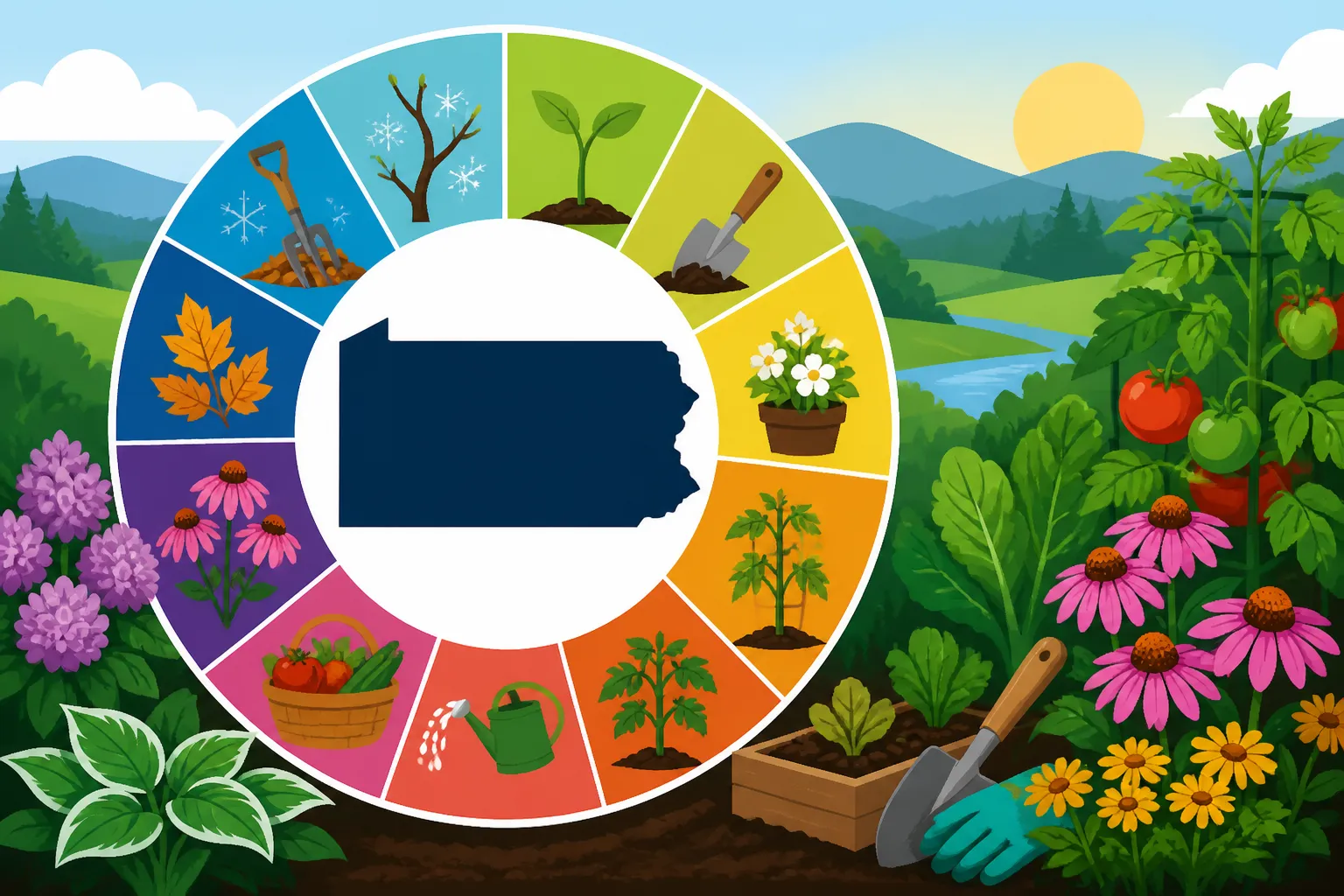
Month-by-Month Pennsylvania Gardening Calendar
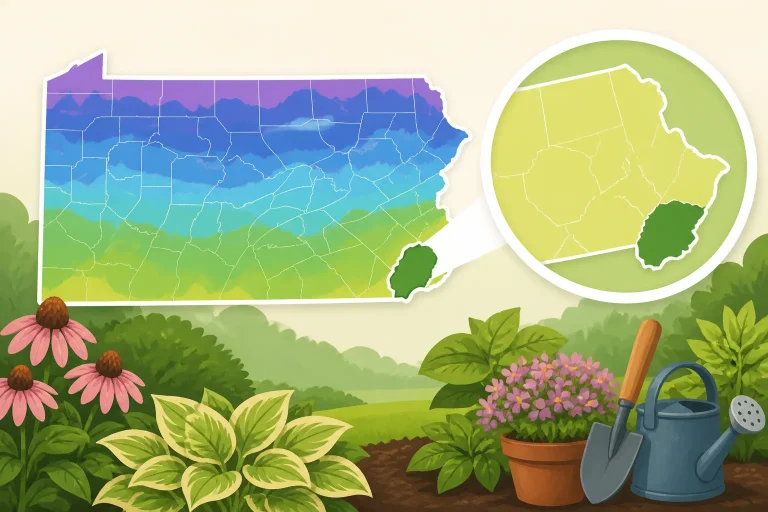
Pennsylvania’s long range of elevations, landscapes, and local weather makes a rigid planting schedule unreliable. A useful calendar gives you seasonal priorities, then leaves room to adjust for your soil, garden site, and the forecast. Use the month-by-month tasks below to plan vegetables, flowers, trees, containers, and routine garden care without treating any date as a guarantee.
January and February
Winter is quieter in the garden, but it can be a good time to make decisions that are difficult to fit in during the growing season. According to Penn State Extension, gardening is a year-round activity. In these months, planning, observation, and modest maintenance can make spring work more manageable.
January: review and plan
Start with what happened in the garden last year. Note which areas stayed wet, which dried quickly, where plants struggled, and where something grew especially well. A short record is more useful than trying to remember every detail when seed packets and plant catalogs are in front of you.
For a vegetable garden, list the crops you actually used and the ones that went uneaten or produced more than you could manage. Think about how much space each crop took, whether you preferred direct-sown crops or transplants, and whether harvest timing worked with your household routine. If you are new to growing food, Pennsylvania Vegetable Garden Guide: Sowing, Care, and Harvest can help you think through the whole process, from choosing crops to planning care.
Sketch your beds, containers, or borders. Include established trees and shrubs, paths, fences, and structures that cast shade. A sketch does not need to be to scale; its purpose is to keep you from repeatedly placing the same crop family in the same spot or buying plants without knowing where they will go. If you are arranging vegetables in beds, Backyard Vegetable Crop Rotation and Soil Bed Planning offers a way to organize planting areas from season to season.
Use winter to check supplies. Look over hand tools, stakes, trellises, pots, hoses, and seed-starting equipment. Clean reusable pots and trays before using them again. Discard seed packets that are damaged or poorly stored, and make a shopping list based on the plan rather than buying duplicates on impulse. For seeds you already have, check the packet for crop information and storage instructions; the packet is a better guide to that seed than a general calendar.
Garden planning should include site conditions, not just a plant wish list. Consider how much direct sun each area gets, whether water drains away or collects, and how convenient the spot is to reach. If you are planning a new bed, observe how the site changes from winter into spring before committing to plants that need particular light or moisture conditions.
February: prepare for the season ahead
As the days gradually lengthen, keep an eye on outdoor conditions without assuming that a mild spell means the garden is ready for planting. A warm afternoon can be followed by colder weather, and soil may remain wet or cold even when the air feels pleasant. Use the month to prepare rather than rush.
If you plan to start seeds indoors, read the packet instructions and work backward from the period when the plants can be moved outside safely. Starting too early can leave seedlings crowded, weak, or difficult to manage while outdoor conditions remain unsuitable. Different crops have different preferences: some transplant readily, while others are often simplest to sow directly where they will grow. Which Vegetable Seeds Produce Best Results Sown Directly Outdoors can help you compare those approaches.
Check whether indoor seedlings will have enough light, room, and airflow. A sunny windowsill may work for some gardeners, but light quality and indoor warmth vary. Avoid starting more plants than you can care for or fit into the garden. Label containers clearly, and keep notes on when seeds were sown so you can judge how they are progressing.
On mild, workable days, inspect paths, bed edges, raised beds, and fences. Repair loose structures and clear only what is necessary for access or safety. Many garden areas are still providing shelter for wildlife, so avoid stripping every bed bare simply because spring is approaching. If you are planning a pollinator garden, Leaving Winter Leaf Beds Intact for Native Pollinators explains why some winter garden material can be worth leaving in place.
Use February to check stored bulbs, tubers, and garden supplies for signs of damage or rot. Keep stored plant material in the conditions recommended for that plant, and discard anything that is clearly decaying rather than putting it into a planting bed. Review your notes and update the garden sketch before the busy work of spring begins.
March and April
Spring work in Pennsylvania rarely arrives everywhere at once. A sheltered urban bed, an exposed hilltop, and a low spot that holds cold air can experience very different conditions. Use the feel and condition of your own garden as a guide: soil that is workable and no longer saturated is more useful information than a warm afternoon by itself.
March: inspect, tidy selectively, and wait for workable soil
Begin with observation. Look for standing water, erosion, compacted paths, damaged branches, and places where winter conditions shifted mulch or exposed roots. Avoid walking or digging in beds that are saturated; working wet soil can compact it and make later planting harder. If the ground is still heavy and sticky, wait for it to drain rather than trying to force a schedule.
Remove broken or diseased plant material when it is safe and practical to do so, but avoid cutting back every perennial simply to make the garden look finished. Some stems and leaves may still shelter beneficial insects. Where cleanup is needed, work in sections and leave undisturbed areas where possible. For more on balancing cleanup with habitat, see Delaying Garden Cleanup Until April to Shield Overwintering Bugs.
March can be a useful time to check the garden’s structure. Tighten trellises, repair raised-bed edges, clear drainage channels, and make sure containers have open drainage holes. If a bed needs compost or other soil improvement, make decisions based on the bed’s condition and the needs of the plants you intend to grow. Avoid adding fertilizer or amendments by habit; soil conditions differ from one garden to another. Soil Testing and Fertility Essentials for Pennsylvania Gardens explains why understanding the soil is a better starting point than guessing.
For vegetable gardeners, prepare to sow cool-season crops only when local conditions and the crop’s needs make sense. Seeds planted into cold, wet soil may germinate slowly or fail to establish well. Check seed-packet guidance and local planting information rather than treating the calendar month as a signal that every crop can go outside. If you are comparing sowing with transplanting, Pennsylvania Vegetable Sowing and Transplanting Calendar can help you organize the options.
If you started plants indoors, check them regularly for adequate light, water, and space. Rotate containers if growth is leaning toward a window, and avoid keeping seedlings constantly wet. Do not move tender plants outdoors just because a few daytime temperatures are mild. They need to be prepared for outdoor conditions, and the weather can still change.
April: work with the site and the forecast
April often brings a mix of inviting days and setbacks. Take advantage of suitable weather to prepare beds, tidy paths, and sow crops that tolerate cool conditions, but keep tender plants protected indoors until outdoor conditions are appropriate. If you want to understand why frost risk can outlast an apparently warm spell, Spring Frost Probabilities and Garden Planting in Pennsylvania provides useful context.
Before planting, loosen only the soil that needs it and avoid working beds when they are waterlogged. Raking or digging wet soil can damage its structure. If the surface has crusted, wait for a better condition or work gently rather than turning the whole bed unnecessarily. Spread organic matter where it is useful, keeping plant-specific needs in mind. Improving Heavy Pennsylvania Clay Soil with Organic Compost covers options for gardens where dense soil makes drainage and root growth a concern.
For flower beds, inspect established perennials and shrubs for winter damage and new growth. Remove dead or broken material carefully, and identify plants before cutting so you do not remove healthy stems by mistake. New plants can be placed when the soil and weather support establishment, but choose species suited to the actual light, drainage, and moisture of the site. Matching Perennials to Local Site Conditions in Pennsylvania is useful when a plant choice needs to fit more than a color preference.
April is also a good time to plan supports for climbing or tall plants before they become difficult to handle. Set up trellises, cages, or sturdy stakes while access is easy. Check that the support will not shade nearby crops or block paths. If you are planting in containers, refresh or replace growing media as appropriate and confirm that water can drain freely.
A simple spring priority list can keep garden work focused:
- Prepare beds only when the soil is workable.
- Sow or transplant crops according to their needs, not a fixed date.
- Keep tender plants sheltered while conditions remain unsettled.
- Repair supports and access before plants fill the space.
- Leave some garden material undisturbed where it is safe to do so.
May and June
As the growing season builds, planting decisions become more consequential. Warm spells can tempt gardeners to set out tender crops early, while cold nights or a late frost can undo that work. Make choices crop by crop, considering the forecast, your site, and whether you can protect plants if conditions turn.
May: plant in stages, not all at once
May is a transition month. Some cool-season plants may be growing well while warm-season crops still need suitable soil and night conditions. Avoid turning a familiar holiday or a single sunny weekend into a universal planting rule. Conditions differ among Pennsylvania gardens, and even one yard can contain a warm, sheltered bed and a colder exposed corner.
Before setting out transplants, prepare them for outdoor exposure gradually. Plants raised indoors or in a greenhouse are not immediately accustomed to direct sun, wind, and changing temperatures. Move them through a gradual transition, watching for wilting or leaf damage and bringing them back to shelter when conditions are unsuitable. How to Acclimate Indoor Greenhouse Starts to Outdoor Weather gives more detail on that adjustment.
When transplanting, water the root area and handle seedlings gently. Avoid planting into dry, crusted, or saturated ground. Set plants at the depth recommended for that crop, and leave enough room for mature growth and airflow. Crowded plants can be harder to tend and may stay damp after rain. For a broader look at warm-season planting, see Warm-Season Crops for Summer Pennsylvania Vegetable Plots.
If the forecast suggests a cold night, be ready to protect vulnerable plants with suitable covers or move container plants to a sheltered location. Covers need to be used appropriately and removed or adjusted as weather changes; a cover is not a substitute for knowing what the plant can tolerate. For crop-specific ways to manage chilly nights, Avoiding Cold Night Damage in Pennsylvania Vegetable Gardens is a helpful companion.
May is also a useful time to plant flowers and fill gaps in borders, provided the plants are suited to the site. Check tags for light, moisture, mature size, and care needs. Resist the urge to fill every empty space with a plant that has different requirements from its neighbors. A bed designed around compatible conditions is usually easier to maintain than one assembled only by color.
For lawns, garden beds, and paths, watch where water runs during spring rain. Redirecting foot traffic away from soft areas can prevent compaction and muddy damage. Make sure downspouts and hard surfaces are not washing soil away from beds. If you are establishing a new lawn or repairing a worn area, use a lawn-specific plan rather than applying vegetable-garden timing to turf.
June: maintain growth and plan for continuity
By June, many gardens are shifting from planting into regular care. The main jobs are to help plants establish, keep weeds from taking over, monitor moisture, and avoid neglecting crops that will soon produce. Check the root zone before watering. Surface soil can look dry while deeper soil is still moist, or the reverse may be true in containers and raised beds. How to Check If Garden Soil Is Dry at Root Depth can help you assess moisture beyond the surface.
Water thoroughly when plants need it, directing water toward the root zone when practical. Avoid assuming that a short shower has soaked the soil deeply. Container plants dry at a different pace from plants in the ground, and exposed or windy sites may need closer attention. Adjust care to the weather and the actual soil condition rather than following a rigid routine.
Weed early and regularly. Small weeds are easier to remove than established ones, and a light, repeated effort can prevent a large cleanup later. Mulch can help moderate soil conditions and suppress some weeds, but keep it away from stems and trunks where it could hold unwanted moisture or cause damage. Use a mulch suited to the bed and avoid piling material against plants.
Check supports and ties as plants grow. Loosen ties that are constricting stems, add support before branches become heavy, and guide vines before they tangle with neighboring crops. Remove damaged leaves or fruit where appropriate, but avoid stripping healthy foliage. When working with edible crops, keep tools clean and take care not to spread disease from one plant to another.
June is also a good time to think about succession. If an early crop is finishing, decide what should follow before the bed becomes empty. A later planting can use available space, but check whether the crop has enough time and suitable conditions to mature. What to Plant in Pennsylvania Beds After Early June Has Passed can help with choices when part of the spring schedule has already gone by.
Harvest leafy crops and herbs as they become ready, rather than letting every plant become overgrown. Frequent picking can encourage continued production for some crops, while others should be harvested according to their growth habit. Learn what a ready-to-pick crop looks like from its seed packet or a crop-specific reference. If you are growing herbs, Backyard Herb Gardening in Pennsylvania: From Beds to Winter Care covers care across the season.
July and August
Summer care is often about managing heat, moisture, and timing. A garden that looked easy to maintain in spring may need more frequent observation as temperatures rise and plants fill their beds. Focus on plant health and harvest, and avoid making major changes without considering how heat and dry conditions affect newly planted material.
July: monitor moisture and harvest consistently
During hot weather, inspect plants in the morning or evening, when signs of stress are easier to assess than in the heat of the day. A plant that wilts temporarily during intense afternoon sun may not need immediate watering, while persistent wilting can signal a real moisture problem. Check soil near the roots before deciding. Overwatering can cause problems too, especially in containers without good drainage.
Water the soil rather than repeatedly wetting foliage when practical. Wet leaves that remain damp can favor some plant diseases, particularly where plants are crowded or airflow is poor. Watering needs vary with soil, plant size, wind, sun, and rain, so avoid treating a general schedule as a substitute for checking the bed. Watering a Pennsylvania Vegetable Garden Through Summer Heat offers more detail for vegetable plots.
Harvest crops regularly and remove produce that is overripe or damaged. Check beneath leaves and around the base of plants, where pests or damaged fruit can be easy to miss. If you find an unfamiliar problem, identify it before taking action. Physical removal, barriers, or changes to watering and spacing may be appropriate in some situations. For any pesticide or other regulated product, follow the product label, which is the legal instruction for use.
Keep weeds from competing with crops, but avoid aggressive disturbance around roots during dry weather. Mulch can reduce evaporation and help make beds easier to manage. If you need to replenish mulch, keep it at a sensible distance from plant stems and trunks, and avoid covering young plants or burying low-growing foliage.
July is also a time to assess how the garden is performing. Are plants receiving the light they need? Is a bed too crowded? Are paths still accessible? Record observations while they are fresh, especially where a particular crop struggled with heat or a site stayed too dry. Those notes will help you change the plan rather than repeat a problem next season.
August: keep harvest going and prepare for the turn toward autumn
August can bring strong heat as well as the first signs of a changing season. Continue watering based on soil moisture, and do not assume that a plant needs water simply because the surface looks dry. Container gardens may need closer checks than in-ground beds, especially in exposed places. If a container repeatedly dries too quickly, consider whether its size, position, or planting mix is contributing.
Some gardeners use open space for another round of crops. Choose plants that fit the remaining season and the conditions of the bed; do not sow simply because an area is vacant. Check seed-packet directions and local guidance for suitable timing. A late planting can be worthwhile, but a crop that needs more time than the garden can provide may not be a good use of space. Pennsylvania Fall Vegetable Planting Timelines can help you consider that transition.
Keep harvesting and remove finished plants when they are no longer productive or healthy. Do not leave diseased material in a bed without considering how it could affect future crops. Disposal choices depend on the plant and the disease, so use appropriate guidance when a problem is uncertain. Healthy plant material can be managed differently from material that may carry a persistent pest or disease.
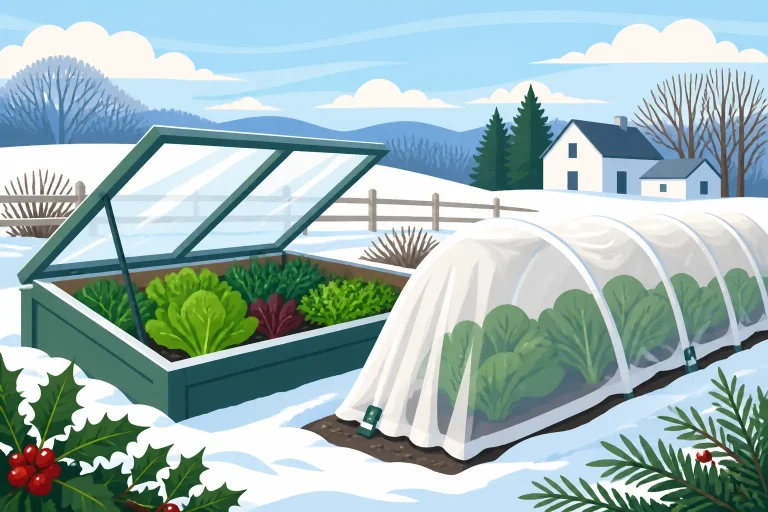
Start thinking about fall protection before it becomes urgent. Check the condition of row covers, hoops, cloches, and cold frames, and repair or clean them while the weather is still manageable. Know where you will store or use them, and make sure they can be secured safely. For a comparison of common options, Pennsylvania Cold Season Protection: Row Covers, Tunnels, and Cloches explains how different covers serve different purposes.
August is also a good time to assess perennial borders and shrubs. Look for plants that are overcrowded, poorly suited to the site, or repeatedly affected by drought. Make notes for future changes rather than transplanting everything during stressful heat. If you are considering new plantings for a pollinator border, Pennsylvania Native Perennial Selection for Sun, Shade, and Moisture can help match plants to site conditions.
September and October
Autumn brings a new planting opportunity, but it also narrows the time available for plants to settle in before colder weather. Keep watching conditions rather than assuming that every fall task belongs on the same date across the state. The timing of cooling weather, rainfall, and frost varies by location and year.
September: sow, harvest, and assess
In September, continue harvesting summer crops while keeping an eye on plants that can produce through cooler weather. Remove spent or unhealthy plants as needed, but leave healthy plants in place if they are still useful and safe to keep. Do not clear a productive bed simply because the calendar has turned toward autumn.
Cool-season crops can be part of a fall garden, but the right choice depends on the time remaining and the conditions where you garden. Check local planting guidance and seed-packet information before sowing. If seedlings are already growing, protect them from intense sun and drying soil while they establish. Cool-Season Crops for Pennsylvania Spring and Fall Gardens discusses crops that can suit these cooler growing periods.
Keep watering new plants and established crops when the soil needs it. Autumn rain is not always enough to keep roots evenly moist, and newly planted perennials or shrubs need attention as they settle in. Check soil around the root zone, particularly beneath dense foliage or under eaves where rainfall may not reach the ground.
September is a useful month for garden review. Which crops produced well? Which ones were too demanding, took more space than expected, or did not suit the site? Record what you might change. Think about whether a bed needs a different crop rotation, better access, more reliable support, or a plant better suited to its shade or drainage. Small changes to the plan can be more effective than adding more plants.
If you plan to add perennials or shrubs, choose plants with time to establish in mind and follow guidance for the species and site. Prepare the planting area rather than placing a new plant into compacted or poorly drained soil and expecting it to thrive. Fall Planting and Care for Hardy Perennials in PA can help you plan this work.
October: prepare for cold while leaving useful habitat
October is a good time to organize the garden for colder conditions. Harvest remaining crops when they are ready, and protect vulnerable plants when the forecast and crop needs call for it. Do not assume that a particular autumn date marks the end of the growing season in every Pennsylvania garden. Lower areas, exposed sites, and sheltered urban spaces may experience different conditions.
Remove diseased or pest-infested plant debris when appropriate, and manage healthy material in a way that suits your garden. Some stems, seed heads, and leaves can provide winter shelter or food for wildlife. Instead of clearing everything, decide what should be removed for plant health, access, or safety and what can remain. Pennsylvania Fall Garden Cleanup and Winter Preparation covers the balance between cleanup and winter preparation.
Mulch can help protect soil and plant roots, but application should suit the plants and site. Avoid piling it against woody stems or covering plant crowns. If fallen leaves are clean and healthy, consider whether they can be used as a protective layer or incorporated into garden care where appropriate. Using Shredded Fall Leaves as Shrub and Flower Bed Mulch discusses one way to make use of leaves.
Bring in tender container plants before conditions become damaging to them, based on the plants’ needs and the forecast. Check plants for pests before moving them indoors, and remove dead or diseased material. Empty or protect pots that could be damaged by freezing conditions, and store hoses and tools in a place where they are less likely to deteriorate.
For vegetable beds, decide which areas will remain in use and which can be prepared for the next season. Remove supports and clean them before storage. If a bed is bare, consider whether a protective cover, mulch, or another suitable measure would help reduce erosion and soil exposure. Do not leave soil exposed simply because the main crop has been harvested.
November and December
The garden is moving into dormancy, but the work is not simply about putting everything away. Late autumn and winter are opportunities to protect soil, review the season, and make the next round of garden decisions with less pressure.
November: protect soil and finish practical tasks
As temperatures fall, finish harvesting crops that cannot tolerate the conditions ahead, and continue picking hardy crops while they remain usable. Check the forecast rather than relying on a general expectation about when a freeze will arrive. A local garden may experience cold sooner or later than another area, and a protected bed may behave differently from an open one.
Remove stakes, cages, and trellises that are no longer needed. Clean soil from tools and supports, and store them where they will stay in good condition. Empty hoses and put away equipment that should not be left exposed to winter weather. These small tasks reduce spring setup and help you find what you need when work resumes.
Protect bare or vulnerable soil where appropriate. Leaves, compost, or other suitable organic material may help cover garden soil, but use clean material and avoid burying crowns or trunks. If you are preparing a bed for future planting, consider how water moves across it and whether runoff could carry soil away. How to Protect Vegetable Garden Soil from Winter Wind Erosion offers ideas for keeping soil covered during the colder season.
Keep some habitat in mind as you complete cleanup. Leaving selected stems and leaves can shelter beneficial insects and other wildlife, while removing diseased material can reduce problems in the garden. The right balance depends on the plant, its health, and the needs of the site. Delaying Garden Cleanup Until April to Shield Overwintering Bugs is useful if you are deciding what can safely wait.
November is also a good time to label plants that are difficult to identify after they die back. Marking a bed now can prevent accidental disturbance later. Take photographs or update your sketch so you know where bulbs, perennials, and crops were planted.
December: review, maintain, and look ahead
December usually calls for little active planting in many gardens, but winter weather still provides useful information. Notice where snow or rain collects, which areas drain poorly, where wind is strongest, and which plants remain exposed. These observations can guide future changes to bed placement, wind protection, and plant selection.
Check stored seed and garden supplies periodically, following any storage guidance on the packaging. Keep seeds dry and protected from conditions that could reduce their quality. Review your garden notes and turn them into a short plan for the next season: crops to repeat, plants to remove, beds that need attention, and supplies that should be replaced.
Take care with young or vulnerable plants during periods of harsh weather. Inspect protective covers and supports after strong wind or heavy precipitation, and make sure they are not pressing against or damaging plants. Avoid piling snow or debris onto fragile shrubs and structures. If a plant is damaged, wait until conditions are suitable to assess it rather than making hurried cuts in poor weather.
Use the slower pace to think about how the garden fits your time and goals. A smaller, well-maintained bed may be more useful than a larger garden that becomes difficult to water, weed, or harvest. If you want to add a new project, consider whether it will need regular care during your busiest season. Starting a Manageable Backyard Kitchen Garden With Dwarf Varieties can help with planning a garden that stays practical.
A calendar is most useful when it is revised. Keep a record of when your own garden becomes workable, which plants need protection, and how rainfall affects different beds. Use those observations alongside current local guidance when making planting decisions. The calendar offers a structure for the year, but your site’s conditions and each plant’s needs should make the final call.
Frequently Asked Questions
Should I follow a fixed planting date for Pennsylvania?
No. Use planting windows as planning aids, then check soil conditions, the forecast, and the needs of the crop or plant. Pennsylvania gardens vary, and conditions can differ within the same area.
What should I do if I am behind on spring planting?
Choose crops suited to the conditions and remaining growing period, and check seed-packet guidance or local planting information. Prioritize plants you are most likely to use rather than trying to plant everything at once.
Is the garden finished after the main harvest?
Not necessarily. Fall crops may still be growing, and garden work can include harvesting, protecting soil, cleaning tools, and preparing beds. Some garden material can also be left in place to provide winter habitat.
How should I decide what to plant next year?
Use your notes to identify what grew well, what you harvested, and what was difficult to maintain. Match future plants to the garden’s light, moisture, soil, and available space.
Sources
- Penn State Extension — Home Gardening Resources | Penn State Extension (checked November 14, 2026)
Disclaimer
This article is for general informational purposes only and does not constitute professional advice. Laws, prices and regulations vary by location and change over time. Consult a qualified professional for guidance on your specific situation. Pennsylvania Gardening Guide is not a government agency and is not affiliated with any university extension, state department of agriculture or other government agency.