Why Hardiness Zones Measure Winter Lows, Not Spring Planting Dates
Pennsylvania gardeners often look up a hardiness zone hoping it will tell them when to sow seeds or set out transplants. The catch is that the map describes winter cold, not the timing of spring frosts or the warmth of garden soil. Knowing what each measure can—and cannot—tell you makes it easier to choose plants and plan planting around local conditions.
What a Pennsylvania hardiness zone actually tells you
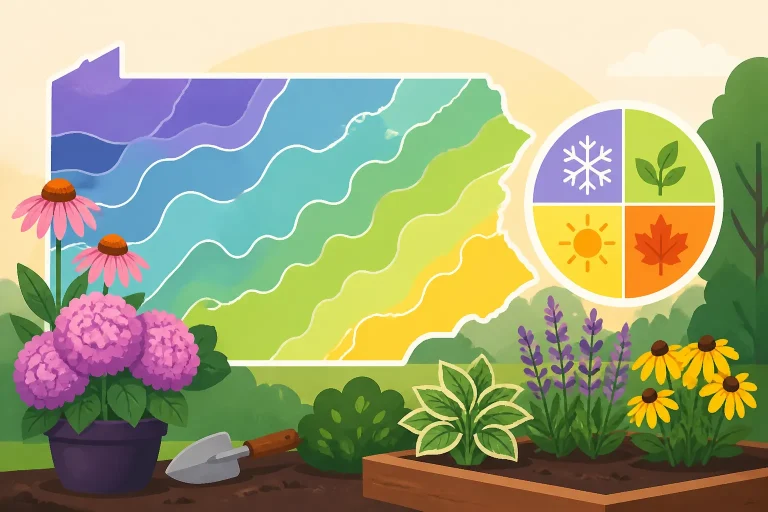
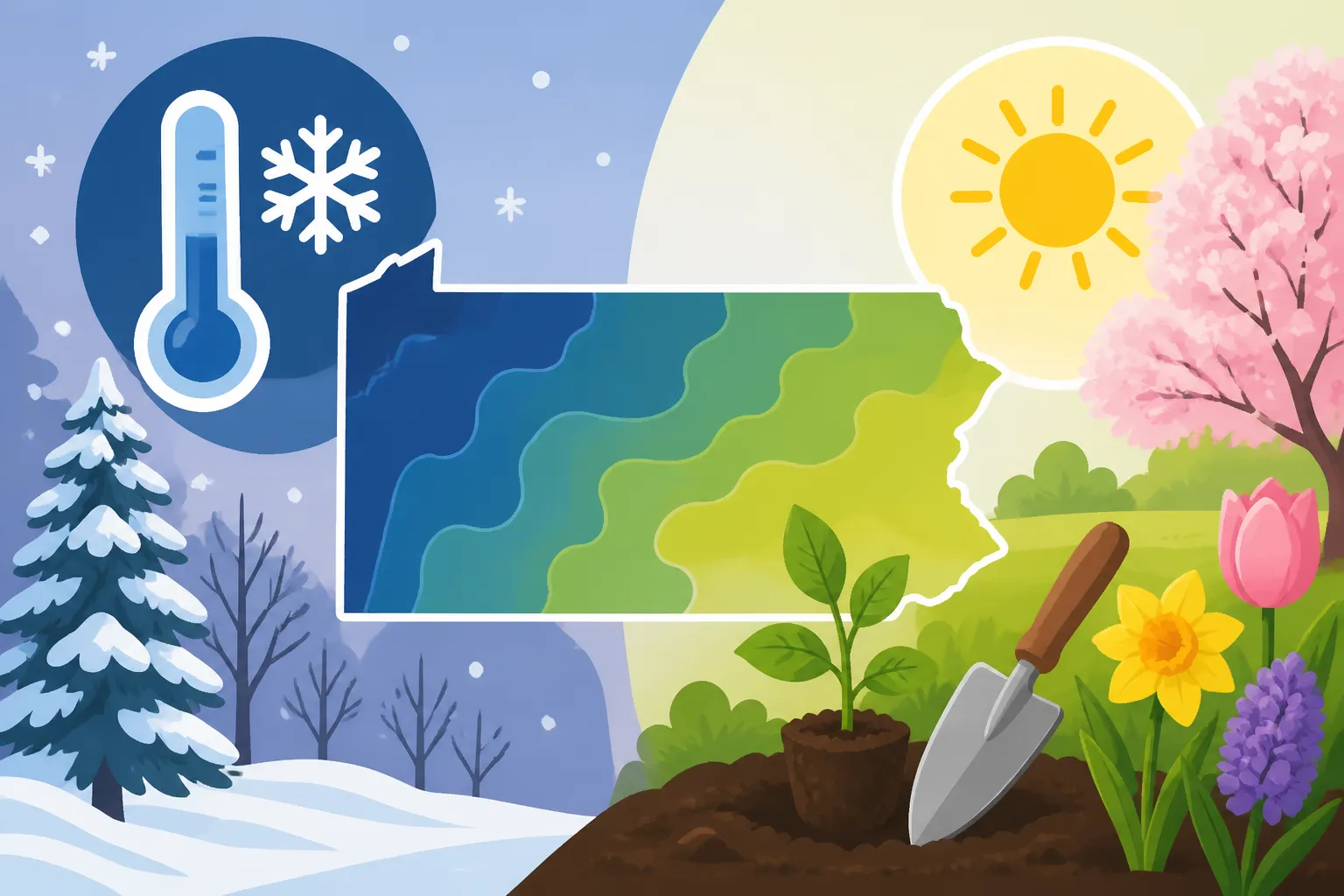
According to the USDA Agricultural Research Service, a USDA Plant Hardiness Zone number indicates the average annual extreme minimum winter temperature for a location, helping show which perennial plants are most likely to survive there.
The key idea is winter survival. A zone helps gardeners compare the cold conditions perennial plants may face at a location. That makes it useful when choosing trees, shrubs, and perennial flowers, which are expected to live through winter outdoors. A plant label’s hardiness rating can help you judge whether a plant is a reasonable fit for your area.
A zone does not describe the entire climate of a yard. It does not tell you how warm spring will be, how soon soil will become workable, or whether a frost could arrive after a warm spell. It is also a guide, not a guarantee of plant survival. Actual results can depend on the plant, its condition, the growing site, and the weather it encounters.
The map’s numbers describe bands of winter cold. Lower numbers mean colder conditions. If two places fall in different zones, that offers a useful clue about their relative winter conditions, but it does not tell you that a particular planting date is safe in either place.
That distinction matters because gardeners often use the same map for two different questions:
- Will this perennial be likely to survive winter here? A hardiness zone can help you assess that.
- Can I plant this crop outdoors now? The zone alone cannot answer that.
For an overview of how the map works and what its ratings mean, see The Pennsylvania Plant Hardiness Zone Guide: What Zones Mean. If you are checking the map for a particular Pennsylvania location, Pennsylvania Hardiness Zones: Finding Your Town on the Map explains the lookup process.
Why winter lows do not set spring planting dates
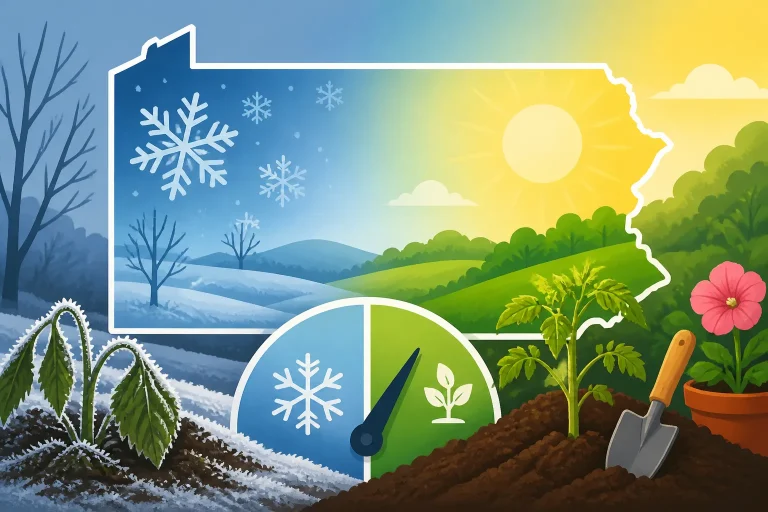
A plant’s ability to withstand winter cold and a seedling’s ability to handle spring weather are different questions. A hardiness zone focuses on winter minimums. Spring planting depends on conditions that unfold over the season, including frost risk, soil warmth, and the needs of the crop.
Those conditions do not follow directly from the zone designation. A spring can warm up early and then turn cold again. Another spring can remain cool while the soil gradually warms. A stretch of mild afternoons can make a garden feel ready, but it does not prove that overnight temperatures are safe for a tender plant.
This is why the hardiness zone should not be treated as a spring calendar. It cannot tell you when the last spring frost will occur, or whether an exposed garden bed is ready for warm-season vegetables. It also cannot tell you how quickly seeds will germinate in soil that is still cold.
The difference is especially important for annual vegetables. Many of them are planted for a single growing season rather than expected to survive winter outdoors. Their planting needs are tied to the conditions they need to germinate, establish roots, grow, and produce a harvest. A winter-survival rating is not a substitute for those crop-specific requirements.
Perennials have their own spring timing needs, too. A perennial may be suitable for a winter zone but still need favorable conditions for planting and establishment. The zone can help with the question of winter suitability; it does not replace good timing, suitable soil, or appropriate care.
For a closer comparison of these tools, see Hardiness Zones vs Frost Dates: When Can You Actually Plant? and Why Last-Frost Dates Matter More Than Winter Minimums for Spring. The short version is that zones help with perennial winter survival, while spring planting decisions call for seasonal information and observations.
How frost dates, soil warmth, and crop needs fit together
A planting decision is more reliable when you consider the conditions that matter to the plant you intend to grow. For spring planting in Pennsylvania, that means thinking about frost risk, soil conditions, and whether the crop is suited to cool or warm weather.
Frost information is useful, but it is not a promise that frost cannot happen afterward. A last-frost estimate helps frame risk; it should not be mistaken for a fixed appointment on the calendar. Local conditions and changing weather still matter. For background on how to use those estimates, see Spring Frost Probabilities and Garden Planting in Pennsylvania and When Is It Safe to Plant in Pennsylvania? Last-Frost Benchmarks.
Soil warmth is another part of the decision. Air temperatures can rise while the garden soil remains cool. A seed may be outdoors, but its germination and early growth still depend on suitable conditions around it. That is one reason a sunny afternoon is not enough to judge whether a bed is ready for every crop. How Spring Soil Temperatures Determine Real Outdoor Sowing Windows covers this distinction in more detail.
Crop type matters as well. Cool-season crops and warm-season crops do not have identical preferences. A planting plan that works for a crop tolerant of cool conditions may not suit a tender crop that needs warmer conditions. The goal is not to find a single date that works for the whole garden; it is to match the timing to the crop and the conditions it needs.
| Planning tool or observation | What it helps you assess | What it cannot tell you by itself |
|---|---|---|
| USDA Plant Hardiness Zone Map | Whether a perennial may be suited to local winter cold | Whether spring planting is safe |
| Last-frost estimate | A general way to think about spring frost risk | Whether frost is impossible afterward |
| Soil conditions | Whether the bed is workable and whether soil warmth suits a crop | Whether the coming weather will remain favorable |
| Crop information | The conditions a particular plant needs | Whether those conditions are present in your garden today |
| Yard observations | Differences in exposure, drainage, and local growing conditions | A guaranteed forecast for future weather |
The table is a planning aid, not a substitute for checking the plant’s needs and paying attention to conditions as spring develops. A sensible decision uses several clues rather than asking a winter zone to answer every question.
For a crop-by-crop overview, Pennsylvania Vegetable Sowing and Transplanting Calendar can help organize the season. It is also useful to consider Planting Cool- and Warm-Season Vegetables Across Pennsylvania when deciding which crops fit current conditions.
Why a garden can behave differently from its zone map
A zone map describes a broad location, while a garden is a specific site. Two beds in the same general area can experience different conditions because of their surroundings. Sun exposure, nearby structures, slopes, low spots, wind exposure, and the way cold air moves across the yard can all affect how a planting site behaves.
A sheltered spot near a building may warm differently from an open bed. A low area can collect cold air, while a slope or exposed site may have different conditions. These differences do not change what the zone measures, but they can affect whether a particular bed is ready for a planting decision.
This is one reason to observe your own garden over time. Notice which beds warm early, which remain damp after rain, and where cold seems to linger. Keep track of how plants respond in different parts of the yard. Those observations can help you adapt general regional guidance to your own growing space.
Microclimates are particularly relevant in Pennsylvania, where local landscapes and yard layouts vary. A regional planting schedule is a useful starting point, not a guarantee that every bed will be ready at the same time. If your location has sheltered or unusually exposed areas, compare those spots instead of treating the yard as one uniform space. See How Yard Microclimates Can Shift Your Planting Conditions for more on how site conditions affect planting decisions.
A zone map also has boundaries. A nearby town or address may not share exactly the same conditions as the broader area represented on a map. If a location appears close to a boundary, avoid treating the map label as a precise description of every garden in the vicinity. Why Hardiness Zone Maps Disagree on Your Pennsylvania County and Navigating Split Zone Boundaries Across Pennsylvania Counties address why map interpretation can take care at local edges.
The practical takeaway is not to disregard the zone. Use it for the question it was designed to help answer, then look closely at the planting site for questions the map does not cover. A zone can inform perennial selection; your yard observations can help you judge how a particular bed differs from the surrounding area.
A practical way to use zones when planning spring planting
Treat the hardiness zone as one part of a planting plan, rather than the plan itself. It is most helpful when you start with the kind of plant you are choosing and ask the question that matches the information available.
- Use the zone for winter suitability. When choosing a perennial, tree, or shrub, compare its stated hardiness with the zone for your area. Remember that the rating is guidance, not a promise of survival.
- Identify the crop’s seasonal needs. For vegetables and annual flowers, find out whether the plant prefers cool or warm conditions and what it needs for germination or establishment.
- Consider frost risk. Use local frost guidance as an estimate, not a guarantee. Be cautious about treating a warm spell as proof that frost danger has passed.
- Check the bed itself. Look at soil condition, moisture, exposure, and how the site compares with other parts of your yard.
- Adjust for the specific planting site. A sheltered bed and an exposed bed may not be ready at the same time, even when they are close together.
- Reassess as conditions change. Planting plans can be adjusted when the weather or the garden does not match expectations.
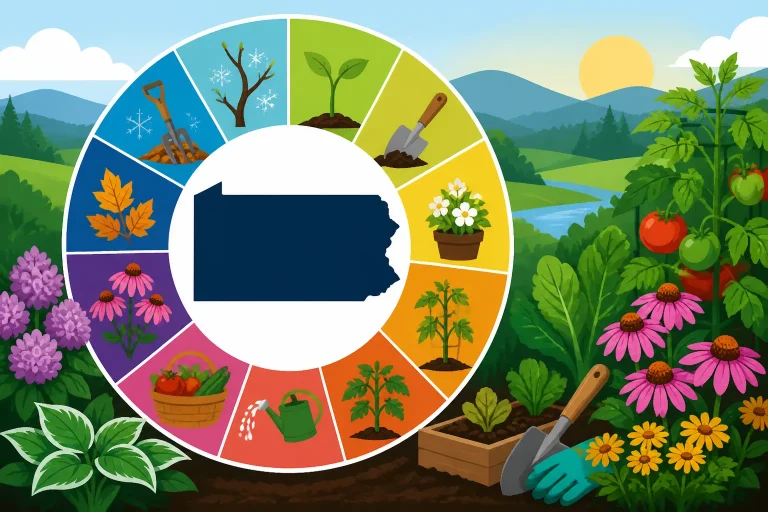
This approach avoids a common mistake: choosing a planting date from a zone label alone. Instead, you use the zone for perennial winter survival, then use crop guidance and local seasonal conditions to plan spring sowing and transplanting.
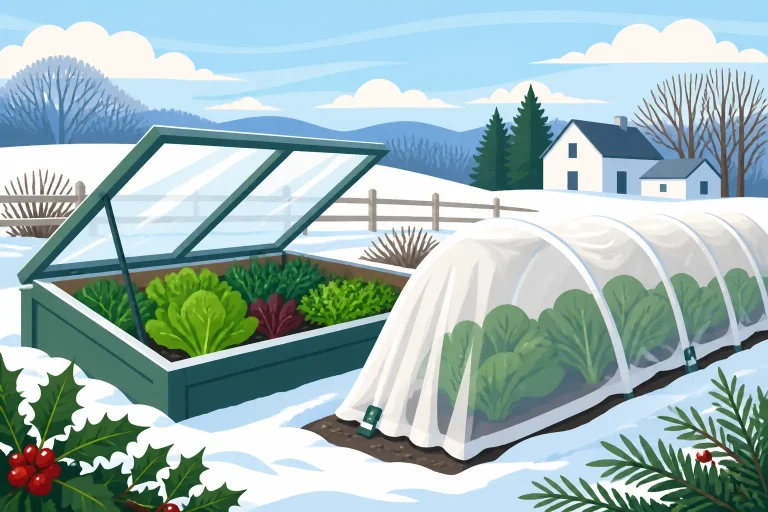
If you are trying to get tender plants outdoors earlier, season extenders may help manage exposure, but they do not make every condition safe or suitable. Consider the crop’s needs and monitor the plants and weather. Using Season Extenders to Set Out Vegetable Transplants Early explains how covers and other protections can fit into a planting plan.
A calendar can still be useful. It helps you organize likely tasks and compare crops, especially when you are growing several kinds of plants. But a calendar is a starting point rather than a command. A cool, wet bed may call for patience; a sheltered site may behave differently from an exposed one. Adjusting a schedule to the garden is more dependable than treating a zone boundary or a calendar date as a guarantee.
Frequently Asked Questions
Does a warmer hardiness zone mean I can plant vegetables earlier?
Not necessarily. A warmer zone describes winter cold, not the timing of spring frost or the warmth of your soil. Use crop-specific guidance and local conditions to decide when to sow or transplant.
Can a plant survive winter but still struggle after spring planting?
Yes. Winter hardiness and successful establishment are separate concerns. A plant may be suited to local winter conditions but still need suitable soil, weather, and care after planting.
Should I ignore hardiness zones when planning a garden?
No. Zones are useful when selecting perennials and other plants that need to survive outdoors through winter. The key is to use the map for winter suitability, not as a spring planting calendar.
What should I use to decide when to plant in spring?
Consider the crop’s needs, frost risk, soil conditions, and the characteristics of the bed where it will grow. A regional calendar can help organize the season, but local conditions should guide the final decision.
Sources
- USDA Agricultural Research Service — How to Use the Maps (checked November 14, 2026)
Disclaimer
This article is for general informational purposes only and does not constitute professional advice. Laws, prices and regulations vary by location and change over time. Consult a qualified professional for guidance on your specific situation. Pennsylvania Gardening Guide is not a government agency and is not affiliated with any university extension, state department of agriculture or other government agency.