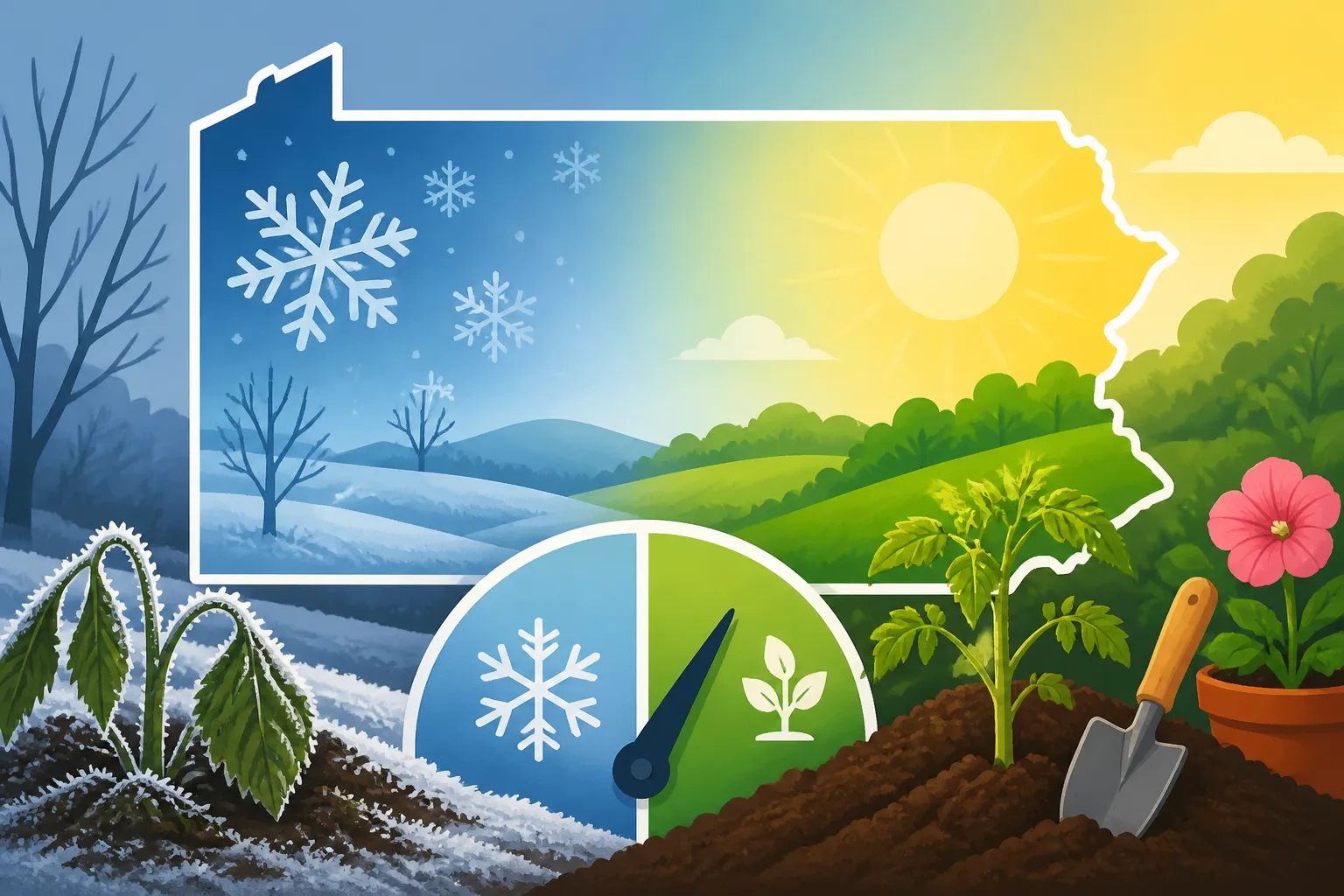
When Is It Safe to Plant in Pennsylvania? Last-Frost Benchmarks
Pennsylvania gardeners often want a single date that makes planting safe, but spring frost risk shifts by location, yard and crop. A last-frost benchmark helps you plan; it does not promise that frost is over. The practical approach is to combine the benchmark with the forecast, soil conditions and each plant’s cold tolerance before deciding what to set out.
What a last-frost benchmark actually tells you
A last-frost benchmark is a planning reference for the point in spring when frost becomes less likely in a particular area. It can help you decide when to prepare beds, start hardening off transplants and watch for a suitable planting window. It is not a guarantee that frost will not occur afterward.
Penn State Extension uses this definition: Earliest date to normally set transplants in the garden without suffering frost damage. The key word is “normally”: the benchmark describes what can generally be expected, not a promise about the next night’s weather or every plant’s response.
A benchmark also needs to be understood in context. It reflects a location or weather record, while a home garden has its own conditions. Cold air may settle in a low spot, a sheltered wall may warm earlier, and a raised bed may behave differently from heavy, wet ground. A date associated with a nearby station can be useful without matching the conditions in your own yard.
That distinction matters most when a forecast changes. A garden may have reached its typical planting window, yet a cold front can still bring a frost threat. If tender plants are already outside, the benchmark cannot shield them. Keep using current forecasts and be ready to delay planting or protect plants when conditions call for it.
It is also useful to distinguish the frost benchmark from a crop’s full planting requirements. Frost risk is only one part of the decision. Soil can be too cold or wet for some seeds and transplants even when frost is unlikely. A plant can also survive a light chill but grow slowly, become stressed or be damaged by a colder night. The right date depends on the plant and the conditions, not simply on whether a benchmark has passed.
For a deeper explanation of how winter cold ratings differ from spring planting guidance, see Hardiness Zones vs Frost Dates: When Can You Actually Plant?. A hardiness zone helps with long-term plant survival through winter; a last-frost benchmark helps with spring timing. Neither one replaces attention to the weather in your garden.
Why Pennsylvania does not have one dependable planting date
Pennsylvania gardens do not all experience spring in the same way. Local elevation, terrain, exposure, nearby buildings and the movement of cold air can influence frost risk. Even gardens in the same general area may have different conditions. A broad regional date can guide planning, but it should not be treated as a precise prediction for every property.
Low ground can be especially tricky. On clear, calm nights, colder air may collect in low areas, while a slope or raised site may avoid some of that pooling. A garden near a wall, pavement or other heat-absorbing surface may also differ from an open yard. These effects do not guarantee protection; they simply explain why a garden can behave differently from a nearby weather station.
The forecast matters alongside the location. A benchmark summarizes typical conditions, while a forecast describes the weather expected in the immediate future. Check it when you are deciding whether to transplant, and keep checking after planting if the plants are vulnerable. Forecasts can change, so avoid making a high-stakes planting decision based only on a date marked on a calendar.
A local frost station can help you choose a reference that better reflects your area. The station still cannot account for every yard’s terrain and exposure, but a reasonably representative station is more useful than relying on a distant location with a different landscape. Finding the Right NOAA Frost Station for Your Pennsylvania Garden can help you think through that choice, and NOAA Freeze Stations: Planning Around Pennsylvania Frost Dates explains why station data should be read as a planning tool rather than a personal forecast.
Microclimates add another layer. A protected urban courtyard, an exposed ridge and a shaded hollow may warm and cool differently, even when they are not far apart. Observe where frost lingers, where snow or dew tends to remain, and which parts of the yard warm first in spring. How Yard Microclimates Can Shift Your Planting Conditions offers more detail on how these small-scale differences can affect planting decisions.
The takeaway is not that local information is useless. It is that local information works best when combined. Use a suitable regional benchmark to start planning, your yard’s pattern to refine the estimate, and the forecast to make the immediate decision. If those signals disagree, the safer choice for vulnerable plants is usually to wait or have protection ready.
Match the planting decision to the crop
Different plants respond differently to cold. Cool-season crops can generally tolerate cooler growing conditions than tender warm-season crops, but “cool-season” does not mean immune to every frost. A crop’s stage of growth, recent conditions and the severity and duration of cold all matter. Always check crop-specific guidance rather than applying one planting rule to the entire garden.
Tender vegetables need more caution. They may be damaged by frost or set back by cold nights even when the air temperature stays above freezing. For them, a last-frost benchmark is a starting point, not automatic permission to plant. Waiting for a more settled forecast can prevent the frustration of replacing damaged transplants or watching them stall in cold soil.
Seeds and transplants also have different considerations. Direct-sown seeds must germinate in the soil, so soil temperature and moisture can be as important as air temperature. A transplant has already begun growing, but moving it outdoors can expose it to cold, wind and sun before it has adjusted. These are separate risks, so a seed packet’s sowing advice and a transplant’s hardening-off needs should not be treated as interchangeable.
Use crop-specific calendars for the plants you intend to grow. Pennsylvania Vegetable Sowing and Transplanting Calendar can help organize the season by crop and planting method. If you are deciding whether a particular plant should be seeded outdoors or started indoors, Which Crops to Start Indoors vs Direct-Sow in Pennsylvania Gardens can help narrow the choice.
A crop’s time to maturity is another planning consideration. Planting later may still be workable, but it can affect how much time remains for growth and harvest. That does not mean you should rush tender plants into cold conditions just to gain time. Instead, compare the expected growing period with the crop’s needs and consider whether a later planting, a faster-maturing option or a protected start is the better fit. How Days to Maturity from Seed Packets Predict Real Harvest Timing explains how to use that information without treating it as a guaranteed harvest date.
Use a different threshold for different crops
A practical planting plan separates crops into broad groups:
| Crop situation | What to check before planting | Safer response when conditions are uncertain |
|---|---|---|
| Cool-season seeds or transplants | Crop guidance, soil condition and the forecast | Delay if the bed is saturated or the forecast threatens damage |
| Tender warm-season transplants | Recent nights, upcoming forecast and soil warmth | Wait for steadier conditions or have reliable protection ready |
| Direct-sown warm-season seeds | Soil warmth, drainage and crop-specific sowing advice | Hold off if cold, wet soil could delay or disrupt germination |
| Plants in containers | Forecast, container exposure and ability to move the pot | Move or shelter containers if a cold night is expected |
| Newly hardened-off starts | Plant response to outdoor conditions and forecast | Keep acclimating gradually and avoid an abrupt change to exposure |
The table is a decision aid, not a replacement for crop instructions. A plant label or trusted crop guide may specify conditions that a general category cannot. If the plant is unfamiliar, find guidance for that plant before choosing a planting date.
Use the forecast and the garden, not just the calendar
A calendar can organize the work, but a forecast is essential when frost remains possible. Check for more than the headline low. Consider whether skies are expected to clear, whether winds are expected to be calm, and whether the forecast describes a frost threat for your area. Those conditions can influence what happens at plant level. A forecast for a nearby town may also differ from the conditions at your property.
Pay attention to forecast uncertainty. A predicted low close to a plant’s tolerance leaves little margin for error, especially if your garden is in a cold pocket. The forecast may also shift as the weather system develops. If you cannot protect a vulnerable planting, waiting for a more favorable outlook is often a lower-risk choice than relying on the most optimistic forecast.
Observe the site as well. Notice where frost forms first, where it melts last and whether the coldest parts of the yard are consistent from one spring to another. A minimum-maximum thermometer placed in a representative garden location can provide useful observations, though a reading from one spot does not describe every bed. Keep it out of direct sun and away from surfaces that could distort readings, and use it as one input rather than a guarantee.
Soil condition deserves its own check. Cold, waterlogged ground can slow roots and make a transplant’s transition more difficult. A bed that is workable and draining well may be ready for some crops even when a different bed in the same yard is still too wet. Check the soil at planting depth rather than judging only from the surface. How Spring Soil Temperatures Determine Real Outdoor Sowing Windows explains why soil warmth can change the timing of outdoor sowing.
Your own garden records can improve decisions from season to season. Note the date you planted, the weather that followed, where frost occurred and which plants were affected. Record whether a bed was exposed, sheltered, low or raised. This does not produce a perfect prediction, but it can reveal patterns that a broad calendar cannot show. Over time, you can identify which parts of the yard are dependable for early planting and which need a more cautious approach.
Use records carefully: a mild spring does not mean the next one will be mild. Local observations help refine your choices, but they should not replace a current forecast. The most useful routine combines a regional benchmark, recent observations from the yard and an updated weather check before planting.
Prepare transplants and beds before setting plants out
A transplant can be vulnerable even when frost is not in the forecast. Plants grown indoors or under protection need time to adjust to outdoor light, wind and temperature. This adjustment process is called hardening off. Moving a sheltered plant directly into full outdoor exposure can cause stress, so acclimate it gradually according to reliable crop guidance. How to Acclimate Indoor Greenhouse Starts to Outdoor Weather covers this transition in more detail.
Before transplanting, inspect the plants and the bed. Choose sturdy, healthy starts rather than plants that are already wilted or weak. Make sure the soil is workable and not saturated. Watering needs vary with the plant and conditions, so follow crop-specific advice rather than assuming every transplant needs the same preparation.
Have the bed ready before plants come out of their containers. A smooth planting process reduces the time roots are exposed and helps avoid leaving plants in direct sun or wind while you finish preparation. If the forecast becomes less favorable, keeping transplants protected until a safer window is often easier than trying to rescue plants after they have been exposed.
For seeds, prepare the bed with the crop’s needs in mind. Fine seedbeds, adequate drainage and suitable soil warmth all influence establishment. Avoid sowing simply because a calendar says it is time if the soil remains cold and wet. Seeds may sit for a long time, rot or germinate unevenly under unsuitable conditions. Guidance for the individual crop can help distinguish a reasonable early sowing from an avoidable gamble.
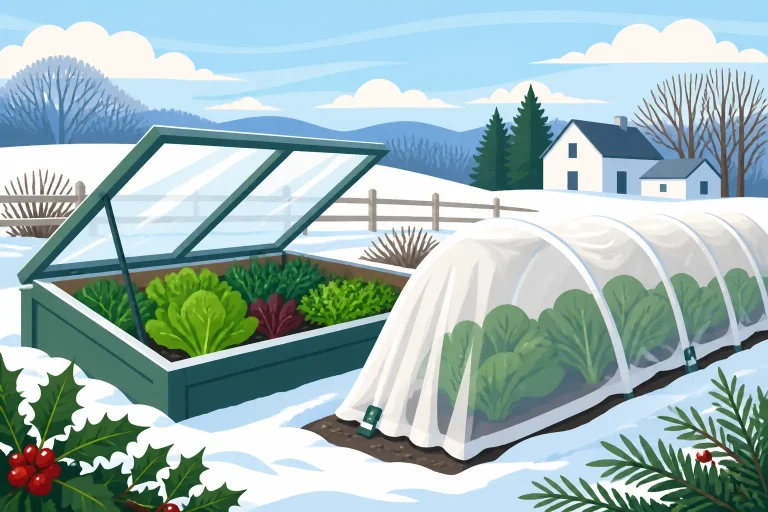
Plan where protection will go before you need it. Row covers, low tunnels and cloches can help reduce exposure, but their effectiveness depends on the material, setup and forecast. They do not make every planting safe in every frost. Make sure any cover is secured and does not press damagingly against tender growth, and check plants after the cold passes. Pennsylvania Cold Season Protection: Row Covers, Tunnels, and Cloches compares common options for protecting garden beds.
If a cold night is approaching, a temporary cover may help, but protection should be based on the product and crop guidance. Do not assume that a cover provides complete insulation or that a certain material will keep every plant above its damage threshold. If the forecast is severe or protection is uncertain, moving containers, delaying planting or using a sheltered space may be the more dependable option.
Respond to a late frost threat
A late frost threat does not always mean that the whole garden is in danger. Start by identifying which plants are vulnerable and which are already established and more tolerant of cool conditions. This prevents unnecessary disturbance to plants that do not need intervention while helping you focus on tender crops and newly planted starts.
Check the forecast again and compare it with the conditions in your garden. If a frost is possible and vulnerable plants are already outside, use an appropriate protective measure before temperatures fall. Covers need to be in place before the coldest part of the night, and they should be removed or managed when conditions warm so plants do not overheat or remain poorly ventilated. Follow the instructions for the material you are using.
Containers can often be moved to a more sheltered place, provided the plants can be handled without damage. Beds are less flexible, so covers or temporary structures may be useful. Avoid treating a wall, porch or open doorway as guaranteed protection; sheltered spots can still become cold, and conditions vary. Protection helps reduce risk but is not a promise that no damage will occur.
If plants are exposed and show damage afterward, give them time before making a major decision. Cold injury can appear as limp, darkened or water-soaked tissue, but other problems can look similar. Wait until the plant’s condition becomes clearer, then remove only clearly damaged material when appropriate for that crop. Keep the soil conditions suitable and avoid adding stress through unnecessary handling.
A late frost may also affect flowering plants, fruiting crops or plants that were set out too early. The specific consequences depend on what stage the plant had reached and the severity of the cold. If a high-value crop or unfamiliar plant is involved, consult crop-specific guidance before pruning, fertilizing or replacing it. More intervention is not automatically better; the aim is to avoid compounding damage while the plant’s condition is still uncertain.
For tender vegetables, prevention is easier than recovery. Avoiding Cold Night Damage in Pennsylvania Vegetable Gardens offers additional strategies, while Spring Frost Probabilities and Garden Planting in Pennsylvania helps keep the risk perspective clear: spring frost remains a possibility even when the usual planting window has arrived.
Build a flexible Pennsylvania planting plan
A dependable calendar should have room for adjustment. Start with a regional last-frost reference, then sort crops by cold tolerance and planting method. Keep a list of tasks that can move forward regardless of a brief delay, such as preparing beds, organizing supports or hardening off plants when conditions allow. That way, a forecast setback does not bring the whole season to a halt.
Avoid treating every crop as if it shares one “safe” date. A planting plan is more useful when it includes separate windows for cool-season crops, tender transplants and direct-sown warm-season seeds. The exact timing should come from local and crop-specific guidance, not from a statewide assumption. Planting Cool- and Warm-Season Vegetables Across Pennsylvania can help organize those different needs.
It can also help to plant in stages rather than putting every tender transplant outside at once. Staggering the work means a sudden weather change is less likely to affect the entire planting. It also gives you a chance to observe how the first plants respond before committing the rest. This approach is especially useful when a forecast is unsettled or your garden has both sheltered and exposed areas.
Use a simple decision routine before planting:
- Check a frost benchmark that represents your general area.
- Review the short-term forecast for the garden location.
- Consider whether your yard is exposed, sheltered or prone to cold-air pooling.
- Check the crop’s cold tolerance and whether it will be direct-sown or transplanted.
- Assess soil warmth, drainage and workability.
- Decide whether to plant, wait or prepare protection.
This routine is not meant to make gardening feel complicated. It prevents a common mistake: treating a single date as if it resolves every uncertainty. Once you have checked the factors that matter, the choice is often straightforward. If frost risk is low, the soil suits the crop and the forecast is favorable, planting may be reasonable. If the signals conflict, waiting or protecting the planting preserves more options.
A flexible plan also makes it easier to recover from a delayed start. Some crops can be planted later than the earliest recommended window, while others have a narrower season. Check the expected maturity period and the crop’s local guidance before deciding whether to catch up, change crops or focus on a later planting. Catching Up on a Late Vegetable Season in Pennsylvania discusses ways to adjust without rushing plants into poor conditions.
Finally, keep the goal realistic: “safe” means a reasonable decision based on available information, not zero risk. Frost can occur after a typical benchmark, and a forecast can change. Good timing reduces avoidable losses, but it cannot control the weather. Combining a local reference, crop-specific advice, site observation and current forecasts gives Pennsylvania gardeners a more reliable basis for deciding when to plant.
Frequently Asked Questions
Does passing a last-frost benchmark mean frost is over?
No. A benchmark describes what is normally expected, not a guarantee. Keep checking the forecast and account for the conditions in your garden.
Can I use the same planting date for every vegetable?
No. Crops differ in cold tolerance, and seeds and transplants face different conditions. Use crop-specific planting guidance and consider soil warmth as well as frost risk.
Why might my garden frost when a nearby town does not?
A garden’s elevation, terrain, exposure and nearby surfaces can affect its temperature. A nearby station is a reference, but it may not reflect the conditions at your property.
Should I protect plants every time a light frost is forecast?
Not necessarily. First identify which plants are vulnerable and consider the forecast and your site. If you use a cover, follow its instructions and do not assume it guarantees protection.
Sources
- Penn State Extension — vegetable-transplanting-guide (checked November 14, 2026)
Disclaimer
This article is for general informational purposes only and does not constitute professional advice. Laws, prices and regulations vary by location and change over time. Consult a qualified professional for guidance on your specific situation. Pennsylvania Gardening Guide is not a government agency and is not affiliated with any university extension, state department of agriculture or other government agency.