Understanding USDA Plant Hardiness Zones When Buying Perennials
Buying perennials in Pennsylvania can feel uncertain when nursery labels list hardiness zones but your yard has its own mix of slopes, shade, wind, and wet soil. A zone rating is a useful starting point for judging winter survival, not a promise. Here’s how to read it, compare it with your garden conditions, and make more informed choices.
What a USDA hardiness zone tells you
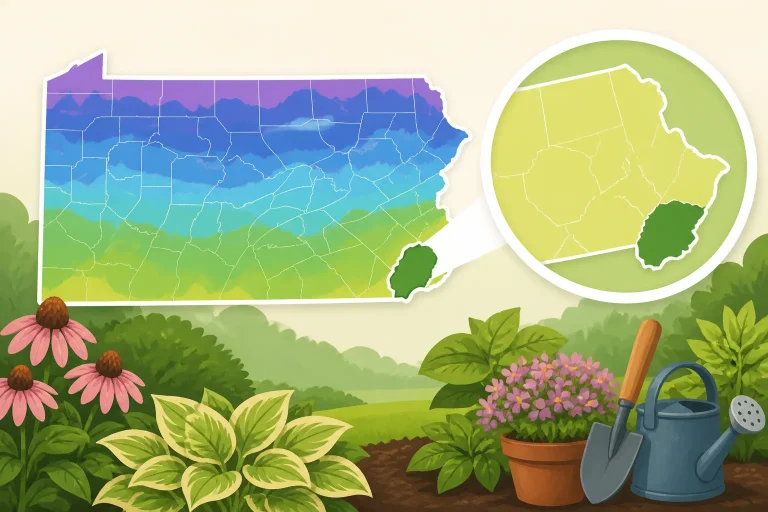
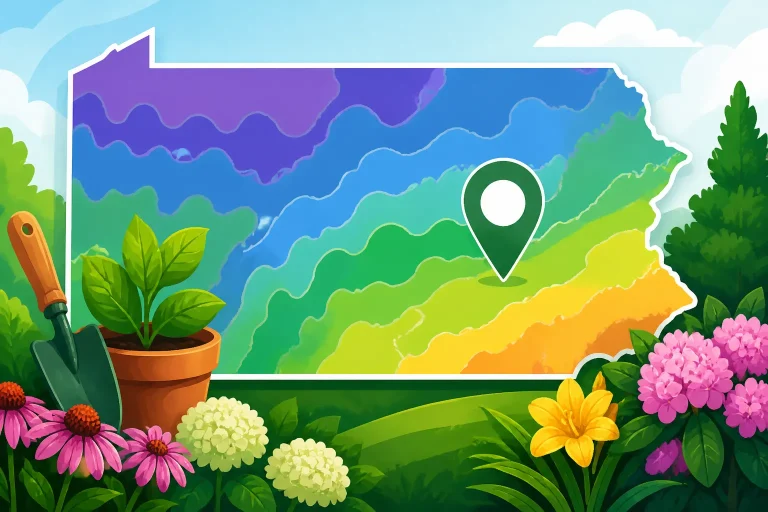
According to the USDA Agricultural Research Service, a USDA Plant Hardiness Zone number indicates the average annual extreme minimum winter temperature for a location, helping show which perennial plants are most likely to survive there. Lower numbers mean colder conditions; it’s a guide, not a guarantee of survival.
That information is useful when choosing plants that must live through winter outdoors. A nursery label’s zone range gives you a way to compare a perennial’s expected cold tolerance with the conditions associated with your area. If your area falls within the range shown on the label, the plant may be a reasonable candidate for your garden.
The rating is about winter cold, not every factor that determines whether a perennial thrives. It does not tell you whether a plant likes your soil, how much sun it needs, whether its roots tolerate standing water, or whether summer heat and drought will stress it. It also does not predict the conditions of a particular winter. A plant that is within its listed range can still struggle when its site is poorly suited or the weather is unusually harsh.
Think of the zone as an initial filter. It can help you rule out plants that are unlikely to handle the cold in your location, and it can help you identify plants worth researching further. It is not a complete growing recommendation.
A zone label also does not mean every yard in a mapped area has identical conditions. The map gives a regional reference, while your garden’s exposure, elevation, buildings, soil, and drainage help shape what a plant experiences. For background on the map itself, see Pennsylvania Hardiness Zones: Finding Your Town on the Map and The Pennsylvania Plant Hardiness Zone Guide: What Zones Mean.
When shopping, treat a label as a prompt to ask more questions. Check whether the plant is suited to your light and soil, whether it needs reliable moisture or sharp drainage, and whether its winter survival depends on protection. These details often determine whether a zone-compatible perennial becomes a durable garden plant.
How to read the hardiness range on a plant label
A plant label may show a range of zones rather than a single rating. That range is a shorthand for the cold conditions the plant is generally considered able to tolerate. The label is useful, but it cannot account for every growing situation or guarantee that a plant will establish successfully in your garden.
Start by finding the zone information on the label or in the seller’s plant description. Then compare it with the zone associated with your area, using a reliable map lookup rather than guessing from a nearby town. Pennsylvania includes varied landscapes, and nearby locations can have different conditions. If you need help locating your area, How to Look Up Your Pennsylvania ZIP Code on the USDA Zone Map explains what to check.
When your area fits the listed range
If your area falls within the plant’s listed range, the plant is worth considering, but that match answers only the winter-cold question. Continue by checking the plant’s preferred sun exposure, moisture, soil texture, and drainage. A perennial that is cold-hardy enough may still fail in a shady bed if it needs full sun, or in a dry slope if it needs consistent moisture.
The lower end of a range matters when you are evaluating cold tolerance. If the plant is rated for conditions colder than those associated with your area, it may have a useful buffer against winter cold. That does not make it immune to damage: soil conditions, establishment, exposure, and unusual weather can still affect survival.
When your area is near the edge of the range
A plant whose rating is close to the conditions in your area deserves closer scrutiny. Edge-of-range planting can work, but the outcome may be less dependable, especially in an exposed location or a bed with poor drainage. Look for information about the plant’s winter behavior, preferred site, and any protection needs before buying.
If you are deciding between a plant near the edge of its range and one with a more comfortable cold-tolerance margin, consider how much risk you are willing to accept. A display plant that can be replaced may be a different choice from a long-lived border or a planting you want to establish once and keep for years.
When your area falls outside the listed range
A plant rated for warmer conditions than your area may not be a dependable choice outdoors. Some gardeners experiment with less-hardy plants in sheltered gardens, but a favorable wall or protected corner cannot change the plant’s underlying tolerance. If you decide to try one, treat it as a trial rather than an assured investment, and be prepared for winter loss.
Conversely, a plant listed for colder conditions than your area is not automatically a good fit. It may survive winter yet struggle with heat, humidity, summer dryness, or the soil conditions in your yard. A hardiness range is not a general quality score; it addresses a specific part of plant performance.
For a closer look at the way nursery labels use these ratings, see Reading Nursery Labels: What Zone Ratings Mean for Pennsylvania. If a rating seems to promise too much, Does a Higher Zone Number Guarantee Winter Perennial Survival? addresses why the zone alone cannot settle the question.
Why the map and your garden may not match perfectly
A map is designed to describe broad areas, not the exact temperature or growing conditions at every planting spot. Your property can contain warmer and colder pockets, and those differences matter when a perennial is near the edge of its expected range.
Exposure and nearby structures
Buildings, walls, fences, pavement, and dense plantings can influence the conditions around a bed. A sheltered corner may experience less exposure to wind than an open yard. A sunny wall can create a different setting from a shaded border. These features may make a site more protected, but they are not a guarantee against severe cold or winter damage.
Do not choose a tender perennial solely because it will sit beside a house. Consider how much sun the spot receives, whether it becomes too hot in summer, and whether the soil near the structure drains well. A protected site is still a poor fit if the plant’s light and moisture needs are not met.
Slopes, low spots, and wind
The shape of a yard can affect how exposed a planting is. An open, windy site may be harder on plants than a sheltered bed. Low areas can also differ from nearby slopes in ways that influence plant stress. Avoid assuming that the zone listed for your town describes every bed equally.
Pay attention to the places where plants already struggle. If a particular bed is unusually exposed, stays wet, or dries quickly, use those observations when choosing perennials. A plant that is marginally suited to the regional conditions may be a poor choice for the harshest spot in the yard.
For practical ways to think about these local differences, see How Yard Microclimates Can Shift Your Planting Conditions. The key is not to turn a small sheltered area into a new official zone, but to recognize that the plant’s immediate setting can make its chances better or worse.
Soil and drainage
Winter survival is closely tied to what happens around a plant’s roots. Soil that remains waterlogged can create a different challenge from soil that drains freely. A plant may tolerate cold but still decline in a wet bed, while another may struggle in a dry, exposed location.
Before buying, match the plant to the soil rather than assuming that a zone match is enough. Note whether the bed holds water after rain, dries quickly, or has dense soil that is difficult to work. If the plant’s needs conflict with the site, consider whether you can improve the conditions or whether a different perennial would be a more dependable choice.
Pennsylvania gardens vary in soil, and a bed’s condition can differ even within the same property. Soil Testing and Fertility Essentials for Pennsylvania Gardens can help you understand soil questions that a zone map cannot answer.
Hardiness zones are not spring planting dates
One common mistake is using a hardiness zone to decide when to plant outdoors in spring. The zone is a reference for winter cold; it does not tell you when the chance of frost has passed or when the soil is ready for a particular plant.
A perennial may be winter-hardy in your area but still be vulnerable when it is newly planted, actively growing, or exposed to a late cold snap. A plant that has lived through a winter in the ground is not in the same situation as a recently purchased plant adjusting to a new site. Acclimation, root establishment, and local weather all affect how a transplant handles stress.
Use a planting calendar or local frost information when deciding when to set plants out, and use the hardiness rating to judge their longer-term prospects. Those are related but separate decisions. Why Hardiness Zones Measure Winter Lows, Not Spring Planting Dates explains the distinction, and Hardiness Zones vs Frost Dates: When Can You Actually Plant? helps connect the two kinds of information without treating them as interchangeable.
If a nursery offers a perennial early in the season, the fact that it is hardy for your area does not automatically mean the weather is suitable for planting that day. Check the plant’s condition and follow reliable regional guidance on outdoor timing. The zone helps answer whether the perennial may belong in the garden over time; frost information helps you plan the immediate planting window.
A practical way to choose perennials at the nursery
A good purchase decision combines the zone rating with the plant’s needs and the reality of your garden. Before shopping, identify the bed where the perennial will go and make a few observations. Is it sunny or shaded? Does it dry quickly or stay damp? Is it sheltered or exposed? Those details make it easier to compare plants rather than selecting from the label alone.
Use this process while browsing:
- Check the plant’s hardiness information. Find the listed range and compare it with the conditions for your area. If the rating is close to the edge, look for more detail before committing.
- Confirm the light requirement. Compare the plant’s preference with the actual light in the planting spot, not just the general description of your yard.
- Match moisture and drainage. Notice whether the bed dries quickly, stays damp, or holds water. A mismatch can undermine an otherwise suitable choice.
- Consider exposure. An open, windy border may be less forgiving than a sheltered bed, particularly for a plant near the edge of its range.
- Ask about establishment. A newly planted perennial may need attentive watering and care while it establishes. Follow the plant’s care instructions and avoid assuming that winter hardiness means it will thrive immediately.
- Compare alternatives. If one plant is marginal for your conditions, look for another with similar garden value and a more comfortable fit.
- Keep the label. Save the plant name and care details so you can identify it and review its needs after planting.
| What to check | What the label or site can tell you | What it cannot guarantee |
|---|---|---|
| Hardiness range | Whether the plant is considered suitable for a general range of winter cold | Survival in every winter or every bed |
| Light preference | Whether the plant is described for sun, shade, or another light condition | That the light in your chosen spot matches the description |
| Moisture needs | Whether the plant prefers drier or moister conditions | That your soil will provide the right moisture without attention |
| Soil and drainage | Whether the plant has stated preferences for the growing medium | That a zone match will overcome unsuitable soil |
| Exposure | Whether the plant may suit a protected or open setting | That a sheltered location eliminates winter risk |
| Care guidance | What the seller recommends for planting and ongoing care | That the plant will thrive without conditions suited to its needs |
If a label is vague, ask the seller for the plant’s full name and more detailed growing information. A common name may refer to different plants, and a short tag may omit important details. Do not rely on a broad statement such as “easy care” if you still do not know whether the plant suits the bed.
When comparing similar choices, prioritize a good site match over novelty. A perennial that fits your light and soil is often a more sensible purchase than a plant selected only because its zone range appears compatible. If you want to experiment with a plant near the edge of its range, consider starting with a small planting rather than making it the backbone of a large border.
For broader Pennsylvania planting considerations, Pennsylvania Native Perennial Selection for Sun, Shade, and Moisture offers a way to think about matching plants to site conditions. You can also use Complete Guide to Growing Perennials in Pennsylvania Gardens when you are planning beyond a single purchase.
Reducing risk when a perennial is marginal
Sometimes a plant is appealing even though its rating is close to the limits for your area, or you have a particular garden spot where you want to try something less certain. The useful question is not whether you can eliminate risk, but whether you understand it and can make the planting more likely to succeed.
Begin by checking why the plant is considered marginal. Is its cold tolerance the concern, or is the site also unsuitable in light, moisture, or drainage? If several conditions are working against it, a sheltered position alone may not be enough. Choose the best available location, but do not treat a microclimate as a substitute for understanding the plant.
Consider the value of the planting. A small trial is easier to replace than a large border built around a plant that may not survive. If a plant is expensive, difficult to source, or intended to anchor a design, choose a more reliable alternative unless you are comfortable with the possibility of loss.
Establishment matters as well. Newly planted roots have to adjust to the site, so a plant’s listed hardiness should not be read as an assurance that a fresh transplant will be unaffected by stress. Follow the seller’s planting and care directions, pay attention to soil moisture, and avoid placing a demanding plant in a spot where regular care will be difficult.
A bed with good drainage and conditions suited to the plant can help avoid stresses unrelated to cold. But avoid making broad changes to soil or adding products without first understanding what the plant and site need. Correcting the wrong problem can create more trouble than it solves.
If you want to try a less-hardy perennial, record where it was planted and how it performs. That makes future decisions more informed: you can compare the plant’s response with the conditions in that specific bed instead of relying on a general impression of the whole property. If it struggles, consider whether the cause appears to be winter injury, moisture, light, or another mismatch before replacing it with the same plant.
Can You Grow Less-Hardy Plants After a Zone Change? discusses the limits of treating a change in a zone designation as a guarantee. The same caution applies when evaluating a particularly sheltered corner: use the site as one part of your decision, not as proof that a plant will survive.
Common buying mistakes and how to avoid them
Treating the rating as a promise
A hardiness range is a guide to expected cold tolerance, not a warranty. Avoid assuming that a perennial will survive simply because the label includes your area. Check its other growing needs and the conditions of the planting site.
Choosing by zone alone
Two plants with compatible hardiness ratings can have very different needs. One may prefer bright sun and well-drained soil, while another may need shade and consistent moisture. Compare the whole growing description before buying.
Assuming nearby gardens have the same conditions
A neighbor’s success is useful information, but it does not guarantee the same result in your yard. The plant may be growing in a different exposure, soil, or microclimate, or receiving different care. Use local examples as clues, then assess your own site.
Confusing winter survival with spring readiness
A perennial’s ability to endure winter does not determine whether it is safe to plant outdoors at a particular time. Use frost and planting guidance for the immediate season, and use the hardiness rating for the longer-term question of winter suitability.
Ignoring the plant’s identity
A label with incomplete information can make it hard to check the right care requirements. Ask for a full plant name or a more detailed description. If you cannot confirm what the plant is, be cautious about relying on a general zone statement.
Buying first and finding a site later
A plant may look appealing at the nursery, but the right site is part of the purchase decision. Before bringing it home, know where it could go and whether that bed matches its light, moisture, and drainage needs. If no suitable spot is available, wait or choose a plant better suited to the space.
Build a planting plan around more than the map
Hardiness zones are most useful when they are part of a broader plan. Start with the winter-cold information, then weigh it alongside the conditions that define your garden. A reliable perennial choice is one that makes sense for the regional climate and the specific bed where it will grow.
For a new border, group plants by their shared needs rather than arranging them only by appearance. Plants with similar preferences for light and moisture are generally easier to manage together. Think about mature size and the space available, too; a plant can be perfectly hardy and still be an awkward choice if it outgrows its location or crowds nearby plants.
Use the planting calendar for seasonal timing, and use local frost guidance when spring temperatures are uncertain. If you are choosing perennials for a particular Pennsylvania region or property, local conditions may matter more than a generalized description of the state. Resources such as How Pennsylvania Regions Shape Planting and Harvest Timing can help frame those differences.
Finally, keep realistic expectations. Some perennial losses happen despite careful selection, especially when a plant is near the edge of its tolerance or conditions vary sharply. Choosing a plant with a suitable rating, placing it in a compatible site, and following sound care guidance improves the odds, but no label can remove weather risk.
The most useful question at the nursery is not simply, “Does this plant fit my zone?” It is, “Does this plant fit my zone, my site, and the care I can provide?” That broader check turns the map from a pass-or-fail rule into a practical tool for choosing perennials you can grow with confidence.
Frequently Asked Questions
If a perennial is rated for my area, will it survive winter?
Not necessarily. The rating is a helpful sign of cold tolerance, but site conditions, establishment, drainage, exposure, and unusual weather can all affect whether the plant makes it through winter.
Should I buy a perennial rated for colder conditions than my area?
It may be a suitable candidate, but a colder rating does not mean it will thrive in your garden. Check its preferences for light, soil, moisture, and summer conditions as well.
Can a sheltered spot make a less-hardy perennial a safe choice?
Shelter may improve a plant’s growing conditions, but it cannot guarantee survival. Treat a marginal plant as an experiment, and consider whether you are comfortable with the chance of losing it.
Does a hardiness zone tell me when to plant in spring?
No. It helps you evaluate expected winter tolerance. Use frost information and local planting guidance to decide when conditions are appropriate for setting a plant outdoors.
Sources
- USDA Agricultural Research Service — How to Use the Maps (checked November 14, 2026)
Disclaimer
This article is for general informational purposes only and does not constitute professional advice. Laws, prices and regulations vary by location and change over time. Consult a qualified professional for guidance on your specific situation. Pennsylvania Gardening Guide is not a government agency and is not affiliated with any university extension, state department of agriculture or other government agency.